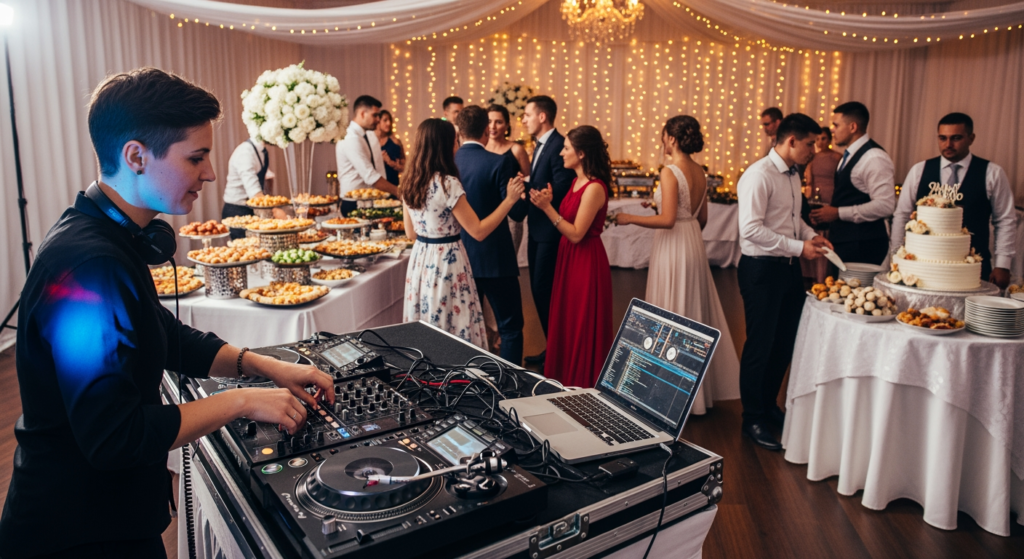
When you start planning music for your big day, finding the right dj wedding can feel overwhelming. I’ve helped hundreds of couples cut through the noise and choose music that keeps guests smiling from ceremony to last dance. For clear, official guidance on events and licensing in the UK, I also recommend checking general government advice at gov.uk as you firm up your plans and venues.
Why the right DJ matters more than you think
Music sets the tone for every moment of the day. A great DJ reads the room, fills gaps with seamless transitions, and solves tiny problems before they become big ones. I always tell couples that a DJ is part MC, part sound engineer, and part party architect. That blend of skills makes a big difference whether you’re in a city hall, a riverside venue, or a countryside estate across the UK.
Top signs of a pro wedding DJ
Not every DJ who plays a great playlist is ready for a wedding. Look for these signals that the person you’re hiring has the experience to manage flow, tone, and unexpected moments.
- Clear, written contract that covers timing, fees, and equipment backup.
- Professional gear with spares and sound checks included in the price.
- Positive testimonials that describe how they handled the whole day, not just the evening.
- Flexible approach to playlists and the ability to read the crowd in real time.
Questions to ask before you book
When I speak with couples, a short checklist of questions quickly separates good options from great ones. You don’t need to be technical—focus on outcomes and reliability.
- Have you played at our venue or similar venues in the area? If not, how will you prepare?
- What happens if your equipment fails or if you’re ill on the day?
- Do you provide lighting and microphones, and are they included?
- How do you handle requests and do-not-play lists?
Local venue logistics I always confirm
Each venue has its quirks. I recommend confirming these details early so your DJ can design the sound and timeline around them. Typical items I check include power access, noise curfews, floor surfaces that affect sound, and the location of the band or DJ to keep noise from carrying into neighboring rooms.
How to match music to venue type
Different spaces need different approaches. In low-ceiling banquet halls I prefer tighter sound and less bass, while open barns can handle more low end and live energy. For city centre hotels, crystal-clear mid-range frequencies keep vocals clear over chatter. Tuning music to the room will help guests feel comfortable and energetic without discomfort.
Current trends couples are choosing now
Weddings adapt quickly to wider culture. Right now I’m seeing a few strong trends that couples love and that DJs need to be ready for:
1) Micro weddings with big music moments — Smaller guest lists mean couples invest in memorable music for key moments like entrance and first dance. 2) Hybrid ceremonies — Couples stream parts of the day for friends abroad, so DJs must be mindful of audio clarity for live streams. 3) Silent discos and split-stage sets — These are popular when venues have noise limits or when couples want a late-night, high-energy finish without disturbing neighbors. 4) Eco-conscious setups — Battery-powered gear and reusable lighting fixtures are gaining interest among couples planning greener events.
Creating the music timeline that actually works
A clear music timeline keeps everyone on the same page. I recommend planning music in blocks and sharing a final timeline with the DJ and venue at least two weeks before the wedding. Below is a simple, adaptable timeline that has worked for many couples in the city and beyond.
- Ceremony entry and exit: choose 2–3 songs (one for procession, one for signing, one for recessional).
- Canapés and drinks: background sets that encourage conversation for 30–45 minutes.
- Reception arrival and announcements: upbeat music that signals guests to gather and listen.
- Evening party and last dance: a high-energy set with clear peaks planned around key dances.
How to spot and avoid common DJ problems
Too often couples discover issues too late. Here are the most common problems and how to avoid them. First, unclear contracts can lead to surprise fees. Always get a written agreement. Second, poor communication about must-play or must-not-play lists creates awkward moments—share these lists early. Third, underpowered equipment at large venues makes music muddy. Make sure the DJ brings gear rated for your guest count or consult the venue about PA requirements.
Practical steps to protect your day
Take these four simple actions to reduce risk:
- Confirm the timeline and playlists with the DJ two weeks before the wedding.
- Request a clause in the contract for backup equipment or a replacement DJ.
- Run a short sound check before guests arrive to confirm levels.
- Assign a single point of contact (a coordinator or family member) so the DJ has clear direction on the day.
Picking music that gets everyone on the dance floor
Knowing your crowd makes all the difference. Start with songs that matter to you, then layer in crowd-pleasers that span generations. I recommend supplying a short “must-play” list of 5–8 songs and a “do-not-play” list of the same size. Let the DJ use their expertise to bridge those choices to the vibe you want at each stage. Good DJs can pivot styles smoothly: from chilled acoustic during dinner to indie-pop or classic funk when the floor opens.
Budgeting fairly for a pro DJ
Price varies by experience, gear, travel, and hours. Higher rates often reflect better planning, professional backup, and strong crowd management skills. When budgeting, consider the full value: seamless transitions, announcements, and the ability to adapt when schedules change. Paying a little more for reliability often saves money and stress in the long run.
Special music moments and how to plan them
Every couple wants a few standout moments. Whether it’s an emotional ceremony entrance, a surprise dance, or a themed set that honors family heritage, planning makes it feel effortless. Talk through these moments with your DJ well before the day and rehearse any surprises with your photographer and venue coordinator to avoid awkward timing.
Microphone and speech tips
Speeches can fall flat if the sound is poor. I suggest having a lapel mic for the venue host or a roving mic for guests giving toasts. Make sure the DJ and venue coordinate who handles the microphones and sound levels; that simple step prevents pauses and keeps guests engaged.
What to expect on the day of the wedding
On the day, your DJ should arrive early to set up, run a sound check, and coordinate with the venue’s manager. They’ll want a clear space for equipment and safe access to power. A professional will also have contingency plans for weather if your reception moves outdoors. Trustworthy DJs check with the venue on noise restrictions and ensure compliance so your party can continue smoothly.
How I work with couples in the area
I take a collaborative approach: I listen first, then shape music that serves the day. My focus is on making the planning easy and the party unforgettable. I ask about musical memories, stylistic preferences, and the moments that matter most so the soundtrack feels personal, not generic. For local couples, that often means curating playlists that work across the region’s popular venue styles—from historic houses to modern city hotels.
Final checklist before you sign
Before you commit, make sure these boxes are checked: a signed contract that lists times and fees, a backup plan for equipment or illness, a clear playlist dialogue, and confirmation of arrival/setup windows with your venue. Once those items are handled, you can relax and enjoy building the mood of your day.
Wrapping up: plan well, pick someone you trust
Choosing the right dj wedding is about more than the playlist. It’s about energy, timing, and the small decisions that shape memories. Ask smart questions, insist on professional safeguards, and give your DJ enough information to do their job well. These steps make the music one less thing to worry about as the big day approaches.
When you’re ready to discuss how music will shape your ceremony and party, consider talking with a team that focuses on local events and brings proven experience to every booking. For details, availability, and to start a conversation, visit Spin Sisters.