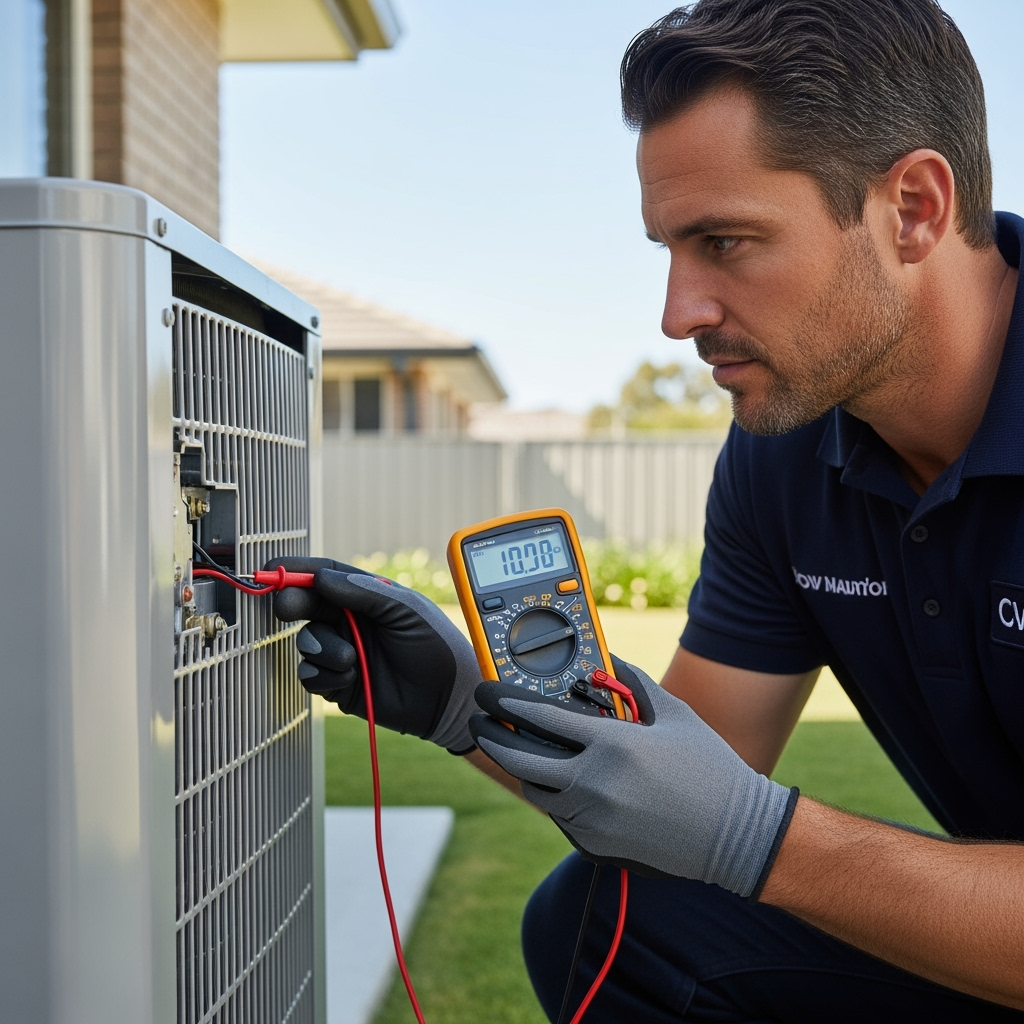
When you want reliable answers about heating, cooling, and indoor air quality in Houston, I often tell neighbors to select here to learn more before they make big decisions. For quick facts about energy-efficient equipment and federal incentives, I also recommend checking the U.S. Department of Energy homepage for the latest guidance and programs to help homeowners lower energy costs and upgrade systems responsibly.
Why local HVAC choices matter more than ever
Living in Houston means long, humid summers and occasional cold snaps in winter. That climate makes your HVAC system the single biggest household energy consumer and one of the most important comfort investments you’ll make. Local factors like proximity to the Gulf, neighborhood tree cover, and the age of nearby housing all influence system sizing, ductwork needs, and indoor air quality strategies. Choosing the right local team means they understand not only equipment, but also how Houston weather and neighborhood building styles affect performance and longevity.
Trending topics shaping HVAC decisions in 2025
Two major trends are driving homeowner choices this year: electrification and smart climate controls. Heat pumps are moving from a niche solution to a mainstream alternative for both heating and cooling, thanks to improved cold-climate performance and attractive rebate programs. At the same time, connected thermostats and zoning controls let you manage comfort room-by-room while cutting energy waste. I’ll explain how both trends apply to older bungalows in The Heights and newer builds in Montrose.
Heat pumps: a practical path to electrification
Heat pump technology has advanced rapidly; modern units provide efficient cooling in summer and efficient heating in milder winter conditions. For many Houston homes, a high-efficiency heat pump can replace an aging furnace and air conditioner with one system that reduces energy use and simplifies maintenance. If you’re considering a switch, look for units with matched indoor components and a certified local installer who can evaluate your existing ductwork.
Smart thermostats and zoning for real savings
Smart thermostats are more than convenient—they give you data that can change behavior and save money. Zoning solutions that use multiple thermostats or motorized dampers work especially well in older two-story homes where upstairs temperatures run hot. In many cases, a modest investment in controls will pay back through lower monthly bills and improved comfort.
How I assess a home before recommending repairs or replacements
When I step into a house to diagnose problems, I follow a consistent process. That helps homeowners in the city and nearby neighborhoods get transparent, predictable advice instead of high-pressure sales. Here’s the approach I use and recommend verifying with any contractor:
- Comprehensive visual inspection of the outdoor unit, indoor handler, and visible ductwork.
- System performance checks: airflow measurements, refrigerant pressure, and temperature splits across the evaporator coil.
- Evaluation of electrical components, drainage, and thermostat wiring to identify safety risks and efficiency drains.
- Recommendations that prioritize repairs to extend life, and clear replacement quotes when a new system is the best value.
Common local problems and how to fix them
In Houston I see three recurring HVAC pain points: poor humidity control, weak airflow, and high energy bills. Each has straightforward, practical solutions if you take timely action.
Poor humidity control
High indoor humidity causes sticky rooms, mold risk, and discomfort even when air temperature is acceptable. Simple fixes include ensuring the outdoor unit is the right size, improving airflow, and adding humidity-specific solutions such as dedicated dehumidifiers or properly sized AC equipment with longer run times. In many older homes, duct sealing is the first, most cost-effective step because leaky ducts let humid attic air reduce your system’s ability to dehumidify.
Low or uneven airflow
If some rooms always feel stagnant or warm, the issue is often return-air restrictions, undersized ducts, or blocked vents. Start by checking filter condition and grilles, then consider a professional duct evaluation. Sometimes adding supply registers, balancing dampers, or replacing an undersized blower solves the problem without replacing the entire system.
High energy bills
High bills usually result from a combination of aging equipment and poor building shell performance. My checklist for reducing bills includes air sealing, attic insulation upgrades, and tuning the HVAC for efficient run cycles. A thermostat schedule tied to occupancy and zoning can cut costs without sacrificing comfort.
How to choose the right equipment for your home
Picking the correct system is about matching capacity, efficiency, and features to your specific home. Oversized systems cycle on and off too often, which reduces dehumidification and shortens equipment life. Undersized systems run constantly and can’t maintain comfort on the hottest days. I recommend working with a technician who performs a Manual J load calculation rather than relying on rule-of-thumb sizing.
Energy efficiency ratings to watch
Look for high SEER ratings for cooling efficiency and high HSPF or COP for heat pumps if you’re evaluating electrified systems. Energy Star listed equipment is a good baseline for efficiency. For the city’s hotter climate, prioritize reliable, efficient cooling performance first and supplemental heating second.
Simple, actionable ways to improve comfort this season
Here are a few practical actions you can take this week to improve comfort and reduce energy use without a major investment. These steps help whether you live in Midtown or a bungalow off Washington Avenue.
- Replace or clean filters monthly during peak seasons to protect equipment and maintain airflow.
- Program your thermostat with small setback temperatures; 3–4 degrees during work hours often saves noticeable energy.
- Inspect outdoor unit clearance—trim plants and remove debris to ensure free airflow around the condenser.
- Seal visible duct joints in basements or attics with mastic or foil tape to reduce hidden leaks that waste energy.
When to repair and when to replace
A good rule of thumb: if your system is under 10 years old, well-maintained, and only needs a single repair, a repair is usually the best choice. If the unit is over 12 years old, needs repeated refrigerant or compressor repairs, or uses outdated refrigerants, a replacement often provides better value. I always weigh upfront cost against estimated remaining life and energy savings from modern equipment.
Red flags that signal replacement
Watch for these signs: systems that run constantly, frequent short cycles, unusual noises, and increasing repair frequency. Another red flag is uneven comfort across the house—sometimes ductwork or zoning upgrades are needed and may tip the balance toward replacement if the equipment is old.
Financing, rebates, and incentives
Replacing a major HVAC system is an investment, but programs and rebates can make upgrades more affordable. Federal and state incentives for efficient heat pumps and ductwork improvements have expanded recently, and local utilities sometimes offer rebates for qualifying equipment and installations. Before you commit, ask a local installer for a worksheet showing available incentives and payback scenarios so the numbers are clear.
Indoor air quality: more than just filters
Good air quality depends on proper ventilation, filtration, and moisture control. HEPA filters, UV lights, and energy recovery ventilators (ERVs) all play roles in different homes. For Houston houses that face both pollen and high humidity, a combination approach—improving filtration, sealing ducts, and adding ventilation with sensible humidity control—usually delivers the best comfort and health outcomes.
Maintenance tips that protect IAQ
Simple maintenance preserves air quality: change filters, clean condensate drains, and schedule annual tune-ups. During a service visit, ask your technician to check coil cleanliness and inspect for any mold-friendly conditions. Preventive maintenance reduces emergency breakdowns and keeps the system running at peak performance.
How a trusted local team makes the difference
A locally focused HVAC team understands common regional issues: salt-air corrosion near the coast, humidification needs in older porous-clad houses, and the challenges of retrofitting ductwork into tight attics. Working with a local company also means quicker emergency response—important when summer temperatures spike and you can’t wait days for a fix.
Questions to ask before hiring
When you’re interviewing contractors, be sure to ask about license and insurance, experience in your neighborhood, detailed estimates that show labor and parts separately, and references from recent local customers. A reputable team will also stand behind their work with clear warranties and be willing to explain how they sized and selected equipment for your home.
Putting it all together: a simple upgrade plan
If you want a roadmap for a typical Houston home upgrade, here’s a three-step plan I recommend that balances comfort, cost, and disruption.
- Short term: Change filters, clean outdoor unit, and implement thermostat scheduling to quickly lower bills and improve comfort.
- Medium term: Seal accessible ducts, add attic insulation if needed, and install zoning or a smart thermostat to target problem rooms.
- Long term: Replace aging equipment with a high-efficiency heat pump or matched system, factoring in available rebates and expected energy savings.
Why local reviews and real-world results matter
Equipment specs are useful, but nothing replaces real-world performance in our local climate. I always look for installers who can show before-and-after data from homes nearby—temperature stabilization, reduced run-times, and lower energy bills. These practical results are the sign of a knowledgeable team that designs and installs systems to work in this area, not just to sell equipment.
Final thoughts and a straightforward next step
If you want help figuring out the most cost-effective path to better comfort—whether it’s a small tune-up or a full system replacement—start by gathering a clear, itemized estimate and a written scope of work from a local, licensed technician. Compare projected energy savings and check for local incentives that lower the initial investment. When done right, HVAC improvements deliver comfort you feel every day and savings you see on your bills.
When you’re ready for an assessment or want to explore heat pump options for a Houston home, reach out to HHMEC for a local consultation and clear, no-nonsense guidance.