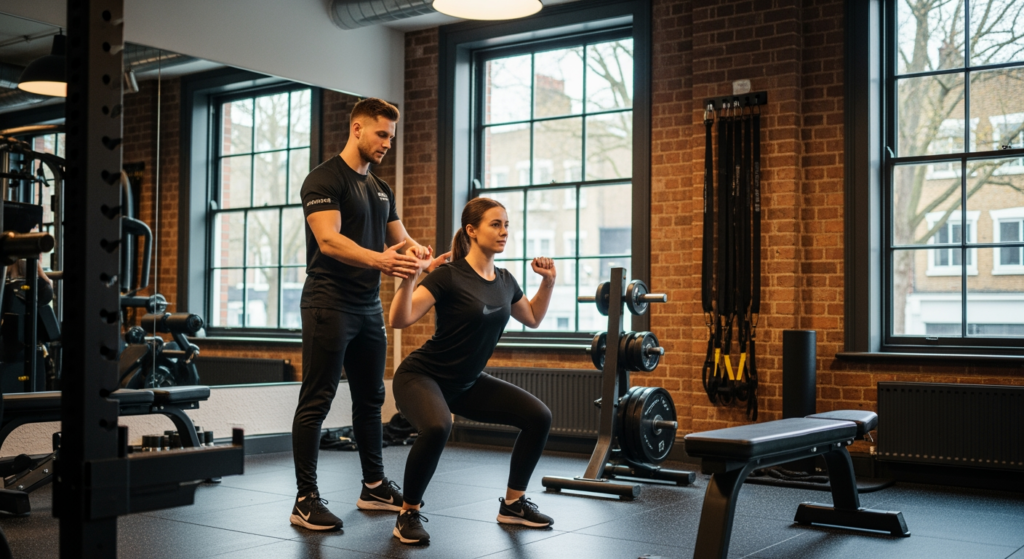
I know how overwhelming it can feel to search for help when you want to get fit, so if you’re looking for a personal trainer Stoke Newington, you’re already on the right track. I also keep an eye on national guidance and participation trends, like those summarized by Sport England, to make sure local plans follow best practice and real-world research: Sport England.
Why choose a local personal trainer in Stoke Newington
Training close to home changes everything. You save travel time, get consistent sessions, and benefit from coaches who know the neighbourhood’s green spaces, studios, and community rhythms. Stoke Newington’s mix of leafy parks and busy high streets makes it ideal for indoor strength work as well as outdoor conditioning, so a trainer who knows these options can build a routine that actually fits your week.
What makes a great trainer for this area
In my experience, the best trainers are practical problem-solvers. They combine movement screening with clear goal-setting, and they adapt plans for the realities of living in London: variable schedules, small living spaces, and the need to balance work or family life. Look for someone who asks about your history, listens to what you enjoy, and can explain the “why” behind each exercise in plain language.
Two training trends shaping personal training now
Across London and in neighbourhoods like Stoke Newington, two trends are changing how people train.
Hybrid training models
More clients want a mix of in-person sessions and guided home or online workouts. Hybrid programs combine hands-on coaching for technique with short, focused remote sessions for consistency. This approach keeps momentum between appointments and fits busy lives.
Wearables and simple data
Wearable tech isn’t just for counting steps anymore. Heart rate trends, sleep tracking, and recovery scores help shape training intensity and recovery plans. A good trainer uses that data to make small adjustments—reducing load after a poor sleep night or pushing harder when recovery looks strong—rather than turning numbers into stress.
How I assess new clients and build plans
The first meeting should feel like a partnership, not an exam. My assessment focuses on four simple areas: current ability, injury history, lifestyle constraints, and specific goals. From that point I build a plan that includes weekly structure, simple progress checks, and reliable ways to measure progress beyond the scales.
Here’s the process I use with clients in this area:
- Initial consultation to clarify goals and schedule.
- Movement screen and key strength tests to find starting points.
- A 4–6 week block plan that builds consistency and habit.
- Monthly reviews to adjust load, progress, and priorities.
Actionable training tips you can start this week
These are practical, low-friction actions you can use immediately, whether you train at a studio near Church Street or in Clissold Park.
- Prioritise three compound moves: a hinge (deadlift-style), a squat, and a pushing pattern. Practice them twice a week with focus on control.
- Use short interval conditioning once or twice weekly—10–20 minutes of effort-focused movement like brisk hill walks, cycling sprints, or timed circuits.
- Schedule recovery like an appointment. Book lighter days after hard sessions and use active recovery to maintain mobility.
- Measure progress with small, repeatable tests: increases in reps, better sleep, or a morning walk that feels easier.
Nutrition and habit tips that really help
It’s easy to overcomplicate eating plans. The simple wins are consistent, protein-focused meals, staying hydrated, and timing snacks around workouts to sustain energy. Here are a few practical steps that work for busy Londoners.
- Plan protein at every main meal to support muscle repair and satiety.
- Keep two healthy snack options ready for long days: nuts and fruit, or yoghurt and oats.
- Use batch cooking on quieter days to avoid late-night convenience meals.
- Track just one habit for a month—sleep hours, training frequency, or vegetable portions—then add another.
What to expect from sessions in Stoke Newington
Sessions in this area can be highly flexible. You might meet in a small studio for strength work, use Caledonian Road nearby for conditioning, or head to Clissold Park for circuit-style training in fresh air. A good trainer plans sessions that make sense for the space: minimal equipment bodyweight circuits for park days, heavier lifting in a studio, and mobility-focused sessions at home if that’s more convenient.
Logistics matter: check whether a trainer brings equipment, how they structure time, and whether they offer short catch-ups between sessions to tweak the plan. These small details separate a coach who follows a template from one who adapts to your life.
Costs, packages, and how to choose value
Pricing varies widely. Rather than focusing on the lowest hourly rate, I recommend comparing what’s included: level of personalised programming, session length, ongoing check-ins, and any added support like meal guidance or wearable data reviews. A longer, consistent plan often produces better returns than sporadic one-off sessions.
Ask for a trial or a short starter package to test compatibility. When you meet a trainer, check their qualifications and insurance, but weigh those against how well they communicate and how realistic their plan feels for your week.
Preventing common problems and reducing injury risk
Injuries often come from doing too much too soon or repeating the same pattern without variation. I build plans that increase load gradually, include mobility work, and emphasise movement quality over flashiness. Warm-ups are not optional—spend 8–12 minutes priming the tissues for the session, and you’ll notice fewer aches and faster progress.
Here are simple rules I ask clients to follow:
- Increase training load by no more than 10% a week when possible.
- If pain is sharp or unusual, stop the movement and seek professional advice.
- Sleep and stress are training variables—treat them as seriously as weights and reps.
How a trainer helps you stay consistent in a busy city
Consistency in London life often means choosing small, reliable wins. A trainer helps by setting short, realistic goals, providing accountability, and creating adaptable sessions you can shift between home, park, or studio. They also help you build weekly rhythms—time blocks for training, meal prep, and recovery—that slot into other commitments rather than fighting them.
Community and local resources to boost progress
Getting fit is easier with others. Stoke Newington has a strong community feel—park runs, cycling groups, and weekend classes that help maintain momentum and make fitness social. Joining a small group occasionally or training with a friend can reduce intimidation and increase fun. Use local parks for longer cardio sessions and studios for controlled strength training; switching environments keeps the plan interesting and sustainable.
Realistic timelines and goal setting
Expect noticeable change in 6–12 weeks for strength and energy with consistent training and sensible nutrition. Fat loss and major body composition changes take longer and depend on total lifestyle adjustments. Set process goals (training frequency, sleep hours, balanced meals) alongside outcome goals (kg lost, cm reduced, strength targets). Celebrating small wins keeps motivation steady across months.
When to choose one-to-one versus small group training
One-to-one coaching is best when you need rehab, precise technique work, or a highly personalised plan. Small-group sessions are great for social motivation, lower cost, and steady progress if you don’t have complex needs. If you’re new to structured training, start with one-to-one for a few sessions to learn safe technique, then move to a group if you enjoy the atmosphere and want economy.
Questions to ask before booking sessions
When you speak to a trainer for the first time, I recommend asking these practical questions:
- How do you personalise programs and measure progress?
- What happens if I miss a session or have to reschedule?
- Do you provide short daily or weekly check-ins between sessions?
- Can you show examples of reasonable short-term goals for someone with my schedule?
How local statistics support training choices
Participation research and public health guidance highlight the importance of regular activity for long-term wellbeing. Using local-friendly strategies—short high-quality sessions, outdoor conditioning, and realistic habit-building—aligns with what health bodies recommend for sustainable gains. Those small decisions add up, especially in crowded city routines where time is a premium.
Final thoughts and next steps
Choosing the right coach is as much about fit as it is about credentials. Look for someone who listens, adapts, and helps you keep momentum in a sustainable way. If you want to get stronger, move better, and enjoy the process around Stoke Newington and North London, start with a clear short-term plan, test compatibility with a trainer, and measure small wins along the way.
If you’re ready to take the next step, I recommend contacting KB Personal Training to discuss options in Stoke Newington and nearby neighbourhoods. KB Personal Training offers tailored packages and local knowledge that make hitting your goals achievable and enjoyable.