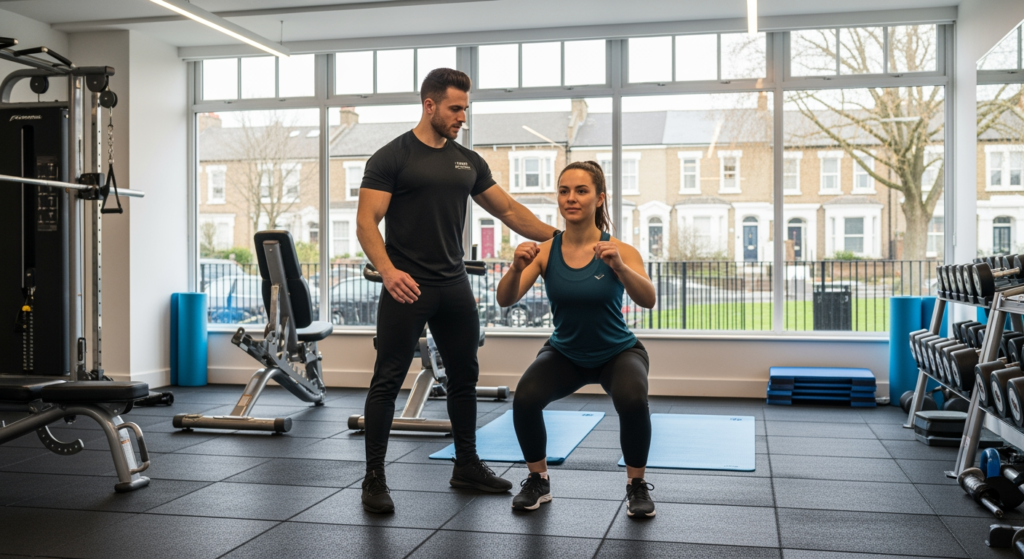
Choosing the right coach can change how you feel about fitness, and if you’re exploring options a personal trainer Stoke Newington could be exactly what you need. I’ll walk you through what to expect from quality personal training in this area and why local knowledge matters, while pointing to national health guidance from the Office for National Statistics to help frame local trends Office for National Statistics.
Why local personal training works well in Stoke Newington
Stoke Newington has its own pace and personality. With leafy green spaces like Clissold Park and a compact High Street full of independent shops, many residents want workouts that fit into a busy local life. Local trainers understand how to craft sessions that use the environment — park benches, pathways and small studio spaces — in ways a city-wide chain might not.
I’ve found that a trainer who knows the area can suggest the best spots for outdoor strength sessions, recommend quieter times to run routes, and tailor workouts to commuting patterns common here. That makes consistency easier, and consistency is where most results come from.
What a great session looks like
A productive personal training session balances movement quality, measurable progress and motivation. When you book a session with a local coach you should expect structure: a warm-up tailored to your plan, a focused main block (strength, conditioning, or mobility), and a short cooldown with recovery tips. Sessions in Stoke Newington often lean into being practical and time-efficient, because many clients train before work or during lunch.
Session formats you’ll find locally
Personal training in this part of London is flexible. Here are common formats I recommend considering based on your lifestyle and goals.
- One-to-one sessions in a private studio or outdoors in a park for focused attention and quick progress
- Small group training with friends or neighbors for lower cost and social motivation
- Hybrid coaching combining in-person sessions and online programming so you can keep training while travelling or during busy weeks
- Short course packages for specific goals like a 6-week strength plan or a run-coaching block
Trending topics shaping how people train right now
Two trends that are reshaping local personal training are data-driven coaching and recovery-first programming. Wearable technology and simple training apps make it easier to track heart rate zones, sleep and recovery, so trainers can adjust loads more intelligently. At the same time, a stronger focus on mobility, sleep and stress management means programs do more than burn calories — they support daily life and long-term resilience.
In Stoke Newington this looks like short, smart strength sessions combined with guidance on sleep, walking habits and nutrition. Trainers who offer remote check-ins and program adjustments bring modern coaching into the neighbourhood without losing the local touch.
How to choose the right personal trainer in Stoke Newington
Picking a coach is part science and part chemistry. You want someone who knows how the body adapts and also someone you can speak to honestly. Use this checklist when you’re vetting options — it keeps the decision focused and practical.
- Credentials and experience relevant to your goal — ask about certifications and specific coaching history
- Programming approach — does the trainer track progress with numbers and adjust the plan based on results?
- Communication style — do you prefer direct, upbeat, or quietly supportive guidance? Choose the fit you’ll stick with
- Logistics — studio location, outdoor options, session lengths and whether they offer hybrid training
Starter plan: your first four weeks
When you begin with a new trainer I recommend a structured first month that builds habits and momentum without adding confusion. Here’s a simple four-week outline I often use to establish a baseline, build consistency and create early wins.
- Week 1: Assessment and familiarisation. Expect movement screens, goal-setting and a clear plan for three sessions per week that fit your calendar.
- Week 2: Build routine. Focus on proper technique with moderate volume, plus a simple daily mobility habit you can do at home.
- Week 3: Introduce progressive overload. Slight increases in weight or intensity while keeping recovery in the plan to avoid soreness derailing progress.
- Week 4: Measure and adjust. Reassess lifts, endurance and general wellbeing, then agree on the next block based on what worked and what didn’t.
How training solves everyday problems
Many people hire trainers not just to change their bodies but to solve daily frustrations: low energy, poor sleep, nagging back pain from desk work, or lack of confidence running local routes. A good local trainer can design exercise to reduce pain, strengthen posture, and increase energy so you feel better during the day.
Practical examples include strengthening the posterior chain to ease lower-back discomfort, adding hip mobility work for better cycling comfort, or introducing short strength sessions that improve walking speed and stair climbing. A few small wins early on — less stiffness getting out of bed or no longer being out of breath on the stairs — are what keep people committed.
Pricing, packages and what to expect
Packages vary, but you’ll typically find single session rates, discounted blocks of 6–12 sessions, and ongoing monthly coaching plans. In Stoke Newington the mix of private studios and freelancers means you can find premium one-to-one coaching or more affordable semi-private options. When comparing prices, look at what’s included: personalised programming, progress tracking, nutrition check-ins, and access to online content are all value-adds that make a plan more effective.
Ask about cancellation policies, how sessions are rescheduled, and whether there’s a client portal or app for scheduling and communication. Transparent trainers will explain how their pricing reflects time spent planning and reviewing, not just the hour you spend together.
Safety and accessibility
Good trainers prioritise safe progress. That means starting with a realistic load, teaching movement cues, and adapting when life gets hectic. If you have existing injuries or medical conditions, a trainer should communicate clearly about scope of practice and, when necessary, liaise with healthcare professionals. Accessibility is also a consideration — whether it’s offering step-free studio access, scheduling around caregiving responsibilities, or tailoring sessions for older adults, look for a coach who meets you where you are.
Local logistics that matter
Stoke Newington clients often ask practical questions about where to train and when. Clissold Park is a popular outdoor option for interval sessions and circuit training, with plenty of space for social-distanced work. Small studios along Stoke Newington High Street and Church Street offer private space for strength and conditioning, while nearby Dalston and Stoke Newington’s cycle routes make weekend training convenient for active commuters.
Think about travel time, peak local hours, and storage needs if you want to keep a change of clothes nearby. Trainers who understand the neighbourhood can recommend the best times to meet for a quieter park session or a studio slot with fewer distractions.
Realistic timeline for results
How quickly you’ll see change depends on your starting point, consistency, and how well nutrition and sleep support training. Generally, you can expect improved energy and movement patterns within two to four weeks, modest strength and stamina improvements within six to eight weeks, and significant body composition changes in three months with consistent work. Trainers who set realistic milestones and record progress keep motivation steady and help you avoid the feast-or-famine approach many people fall into.
Practical tips to get more from every session
There are small habits that multiply the effectiveness of coaching. Implementing these makes each session more productive and helps you stay consistent.
- Keep a simple training log — note weights, reps and how you felt so adjustments are evidence-based
- Prioritise sleep and hydration on training days to support recovery and performance
- Communicate honestly about energy levels and stress so your trainer can adapt the plan
- Build non-exercise activity into your week like brisk walks in the park to boost calorie burn and mental wellbeing
Common concerns and how trainers address them
It’s normal to worry about intimidation in a gym, wasting money, or not having time. The best local trainers focus on small, consistent steps and create a space where asking questions is encouraged. If you’re worried about cost, ask about short trial blocks or semi-private sessions to lower the entry price and see real results without a long-term commitment. Time concerns are solved by designing efficient sessions tailored for mornings, lunch breaks, or late evenings to match local commuting rhythms.
Why community matters here
Stoke Newington is community-oriented. Training with a local coach often opens doors to small-group classes, running clubs and informal meet-ups that make fitness social and sustainable. Neighbourhood-based accountability can be a powerful motivator; when your trainer knows the community you run through or the market you shop at, plans are far more realistic and easier to maintain.
Wrapping up and next steps
If you’re ready to change how you feel and move with more confidence around London life, a local personal trainer can offer the structure, feedback and neighbourhood-savvy that turns intention into habit. Start with a clear goal, test a short training block to gauge chemistry, and prioritise consistency over perfection. When your sessions fit into daily life instead of competing with it, results follow.
If you’d like a local coach who blends evidence-based programming with flexible options for studio, park and online sessions, consider reaching out to KB Personal Training for a consultation tailored to Stoke Newington and surrounding neighbourhoods.